
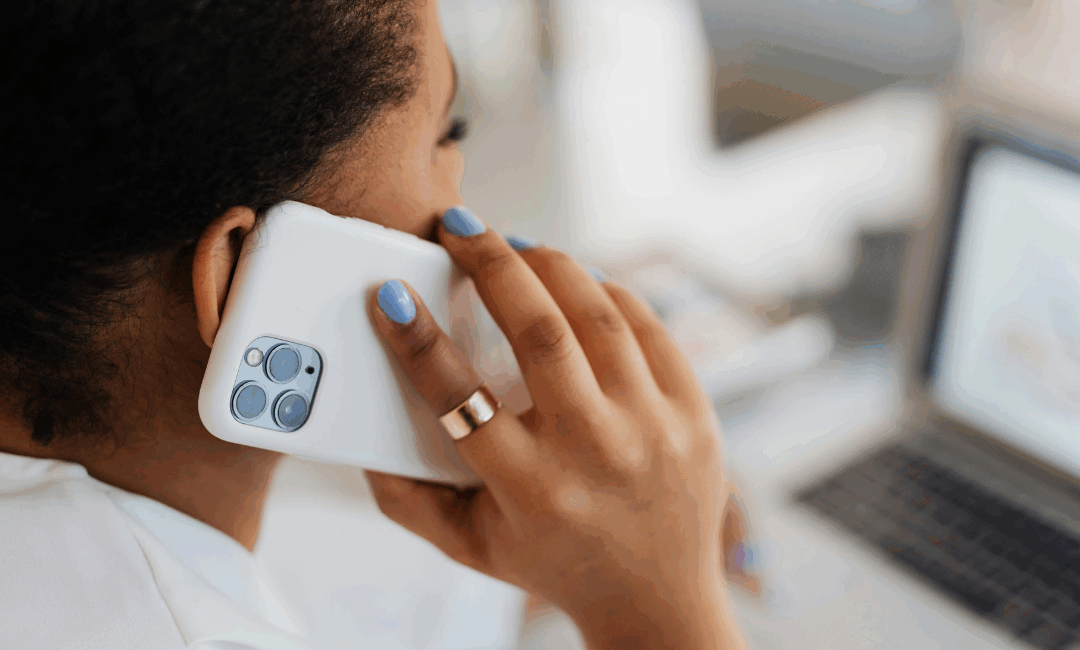
Your phone lights up. The ringtone starts. And instead of reaching for it, your stomach drops. Maybe you freeze. Maybe you let it ring out and tell yourself you’ll call back later. Maybe you dread picking up even when it’s someone you love.
If this sounds familiar, you’re not alone.
A growing number of people feel tension, avoidance, or dread when the phone rings. Anxiety around phone conversations isn’t new, but it has become more common as texting, messaging apps, and email have replaced real-time verbal communication.
When we get used to writing, editing, and controlling the timing of our responses, picking up a call can feel suddenly vulnerable and exposed.
At BHSI, many people tell us they feel embarrassed or confused about this reaction — but there’s nothing “weak” or “silly” about discomfort around phone conversations.
Anxiety related to phone calls often has deeper emotional roots, shaped by past experiences, social fears, or simply the pressure of real-time communication.
Let’s explore why anxiety around phone calls happens, where it comes from, and how to feel more in control.
Why do I feel anxious when the phone rings?
Stress around answering the phone often begins before you even pick it up. The moment it rings, your body reacts. Your mind might anticipate conflict, the need to perform on the spot, or the fear of saying the “wrong” thing.
Here’s why phone conversations can feel overwhelming:
1. Phone calls feel unpredictable.
You don’t know what the person will say or how long the conversation will last. For someone who likes time to prepare or process, this lack of control can heighten anxiety.
2. There’s no time to think.
Unlike texts or emails, calls require immediate responses. That real-time demand can feel like pressure, especially if you prefer communicating in writing.
3. It’s harder to read tone and emotion.
You can’t see body language or facial expressions. Without those cues, many people fear misunderstanding or being misunderstood.
4. The ringtone itself creates urgency.
That sudden sound can activate the body’s stress response — especially if you associate phone calls with high-stakes conversations.
For many, the physical reaction happens first. The emotional meaning comes second.
What causes anxiety related to phone calls?
Anxiety about talking on the phone doesn’t usually come from a single cause. It builds through experiences, personality traits, and communication habits.
It’s important to differentiate this situational form of anxiety from telephobia. Here are some contributing factors:
1. Social anxiety tendencies.
Worries about being judged or misunderstood can intensify without visual reassurance.
2. Past negative experiences.
If you’ve received bad news by phone or had tense conversations before, your nervous system may associate calls with danger.
3. Fear of being put on the spot.
Some people need time to think before responding. Calls can feel like unscripted performance.
4. Perfectionism.
If you pressure yourself to sound composed or articulate, spontaneous conversation may feel risky.
5. Sensory sensitivity.
Loud, abrupt sounds — like a ringtone — can feel overstimulating.
6. Difficulty with assertiveness.
If you struggle to say no or set boundaries, live conversation can feel especially vulnerable.
7. Increased reliance on texting.
Delayed communication gives people space to think, edit, and control timing. Phone calls remove that buffer, which can make them feel more emotionally intense than they used to.
How can I manage or reduce this kind of anxiety?
You don’t need to eliminate anxiety completely to feel more confident. Small, steady steps help retrain the mind and body.
1. Prepare before the call.
Write down a few points you want to cover. Preparation reduces performance pressure.
2. Use grounding strategies when the phone rings.
Slow breathing, releasing your shoulders, or pressing your feet into the floor helps calm the nervous system.
3. Start with low-stakes calls.
Calling a friend or asking a simple question at a local shop can gently build tolerance and confidence.
4. Script your opening lines.
Having a few go-to phrases makes the first moments of the call feel more predictable.
5. Remember that pauses are normal.
You are allowed to slow down, think, or ask for clarification. Phone conversations do not have to be polished.
6. Celebrate progress.
Even small steps — answering once, making a short call, trying again after a pause — are meaningful.
Is this the same as social anxiety disorder?
Not necessarily.
1. They can overlap, but they’re not always connected.
Both involve fear of judgment or making mistakes, but discomfort with phone conversations can exist on its own.
2. Some people who are confident face-to-face still struggle with phone calls.
The lack of visual cues and the immediacy of speaking can create a unique kind of stress.
3. Concern arises when avoidance affects your daily life.
If you routinely avoid calls, fear workplace conversations, or feel intense dread when the phone rings, it may be part of a broader anxiety pattern.
4. Therapy can help clarify what’s happening.
A therapist can help identify the emotional roots — social worries, past experiences, perfectionism, or communication stress.
Regardless of whether it fits a diagnosis, your experience is real and deserves support.
Final Thoughts: You’re not alone
Anxiety around phone calls can make a simple notification feel overwhelming. It can create distance in relationships, increase stress at work, and make communication feel heavier than it needs to be.
But this kind of anxiety comes from understandable places — and it can absolutely improve with patience, compassion, and practice.
At BHSI, we believe support should meet you where you are.
With the right tools and guidance, you can build confidence, regulate stress, and feel more at ease when the phone rings. You deserve communication that feels safe and manageable. You deserve to feel steady in your own voice.